CLINICAL JUSTIFICATION
At Prose Justice, we are dedicated to ensuring that immigrant families can maintain connections with their loved ones by providing reliable transportation to detention centers.
MEMO
Clinical Justification Memo
A Trauma-Informed Health Intervention Program
The Immigration Detainee Support Network (IDSN) is a medically necessary, trauma-informed health intervention designed to mitigate psychological and physical harm caused by sudden family separation due to immigration detention. IDSN provides time-sensitive, health-justified transportation to enable family presence for individuals whose medical, behavioral health, or end-of-life conditions are adversely impacted by detention-related separation.
IDSN is not general transportation. It is also a clinical support service that addresses behavioral health crises, public health risk, and palliative care needs arising from abrupt and destabilizing family loss.
Clinical & Public Health Rationale
1. Behavioral Health Necessity
Sudden detention of a family member constitutes a recognized traumatic event that can precipitate or exacerbate:
Acute stress disorder
Post-traumatic stress disorder (PTSD)
Major depressive episodes
Panic and anxiety disorders
Complicated grief
Suicidal ideation
For individuals with pre-existing mental health conditions, the loss of family presence is a clinical destabilizer that often results in emergency psychiatric interventions, hospitalizations, or crisis team deployment.
IDSN functions as a behavioral health stabilization intervention by enabling medically indicated family contact during a critical window of trauma.
2. Public Health & Prevention Value
Family separation due to detention is a public health issue, particularly for children, elderly individuals, and medically fragile populations. Research consistently shows that unresolved traumatic separation leads to:
Toxic stress and long-term neurological impact in children
Increased lifetime utilization of public behavioral health services
Higher incidence of chronic illness linked to prolonged stress
Increased involvement with child welfare and emergency systems
IDSN is a preventative public health strategy that reduces downstream costs by intervening early to prevent escalation into more intensive and expensive county services.
3. Palliative Care & End-of-Life Justification
For individuals facing terminal illness or serious medical decline, the sudden removal of a child, spouse, or caregiver accelerates physiological deterioration and psychological distress. Family presence at end of life is a recognized palliative care standard, directly associated with:
Reduced stress response
Improved symptom management
Preservation of dignity
Ethical and humane care delivery
IDSN provides medically indicated family access in cases where detention creates a barrier to standard palliative care principles.
Medical Necessity Determination
IDSN qualifies as time-sensitive, health-related transportation because it addresses:
Behavioral health crises
Trauma stabilization needs
End-of-life care standards
Acute psychological emergencies
Delay or denial of this service results in foreseeable medical harm.
Alignment with County Health & Human Services Mandates
IDSN directly aligns with county obligations to:
Deliver trauma-informed care
Reduce preventable behavioral health crises
Support vulnerable populations
Implement cost-effective preventative interventions
Advance health equity
This program complements existing county services and reduces strain on emergency, inpatient, and crisis response systems.
County Leadership Opportunity
By adopting IDSN, counties position themselves as:
Early adopters of trauma-informed public health innovation
Leaders in humane, evidence-based behavioral health policy
Proactive stewards of public health resources
National models for addressing health harms caused by detention-related family separation
Conclusion
IDSN formalizes a reality already recognized by healthcare systems: family presence is a medical necessity in moments of trauma, crisis, and end-of-life care. This program organizes that reality into a structured, accountable, and clinically justified service.
This is healthcare.
This is urgent.
This is necessary.

2.3k
Families Served
1.5k
Transportation Rides Provided
50
Community Events Hosted
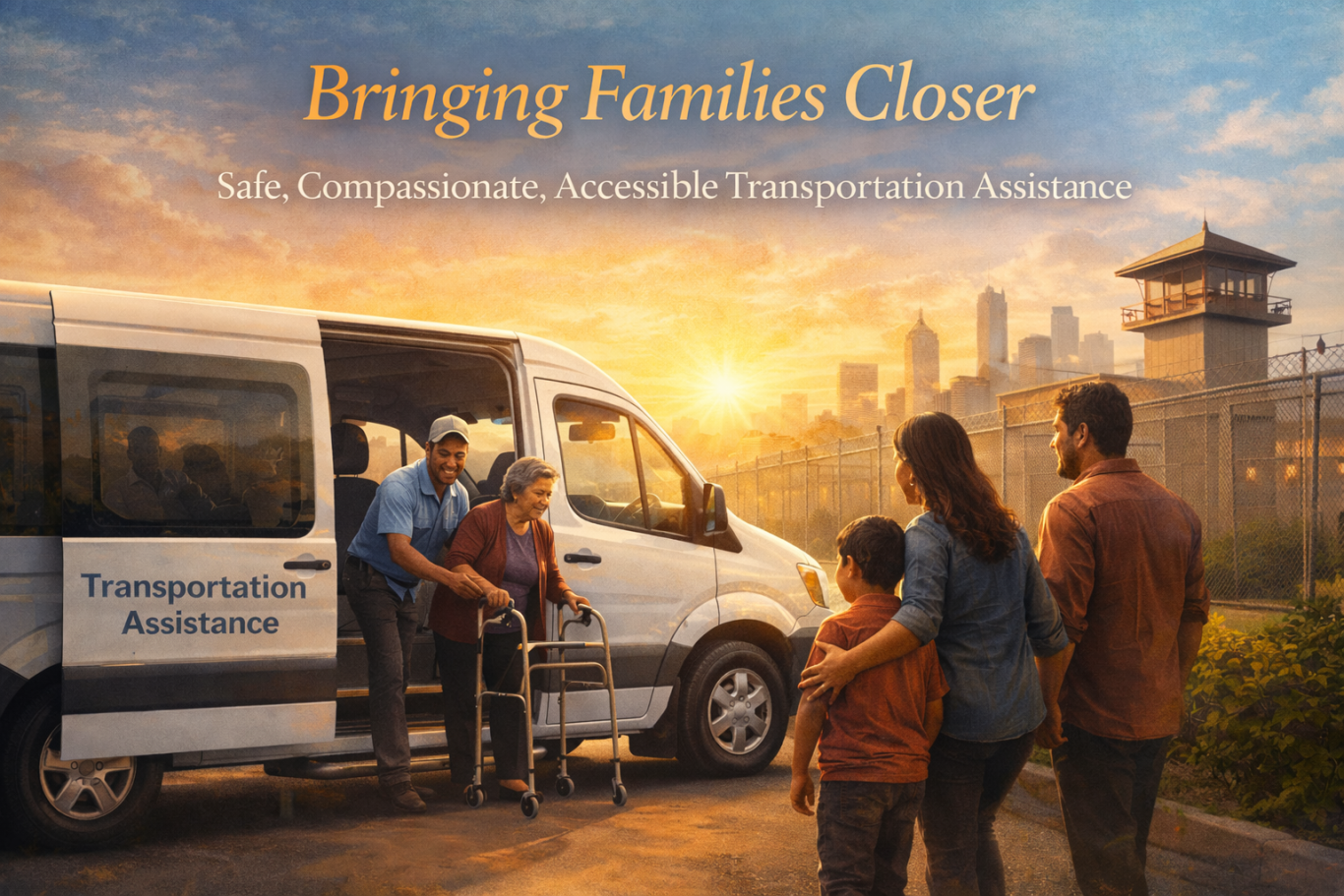
Transportation Assistance
Immigration Detention Support Network (IDSN)
IDSN helps families stay connected when a loved one is in immigration detention. We provide transportation, guidance, and support to ensure families can visit and maintain vital connections, reducing stress and isolation during difficult times.
Immigration Detainee Support Network
Immigration Detainee Support Network (IDSN) – Mission & Focus
Purpose
IDSN ensures that families of detained immigrants can be present with their loved ones during critical moments, reducing isolation, emotional trauma, and stress caused by detention. We provide safe, reliable transportation for families who would otherwise be unable to visit due to distance, cost, or logistical barriers.
Immediate Strategy: Private Funding & Community Support
To make an immediate impact, IDSN relies on donor contributions, sponsorships, and support from churches and community organizations to provide transportation for families of detained immigrants.
Flexible transportation options: Using rideshare services (Uber, Lyft), taxis, or contracted drivers depending on each family’s needs.
Rapid deployment: Families can access rides immediately, without waiting for government programs or approvals.
Transparency & accountability: Each ride is tracked and documented, ensuring donors see measurable results.
This approach allows IDSN to launch immediately, reaching families who need help most, while building credibility and community trust.
Long-Term Vision
As the organization grows, IDSN may explore partnerships with state programs or other support networks to expand reach and sustainability, while continuing to prioritize trauma-informed, family-centered support.
Core Service Model
Target population: Families of detained immigrants who need support to visit their loved ones.
Care coordination: Trips are arranged safely, efficiently, and with sensitivity to the emotional stress of detention.
Flexible service delivery: Multiple transportation options allow IDSN to meet families’ immediate needs.
IDSN Value Proposition
Reduces emotional stress and trauma for families separated by detention.
Provides a rapid, accessible solution where public programs may be limited or slow.
Builds a scalable, community-driven model for supporting vulnerable populations.

Self Represented Litigants
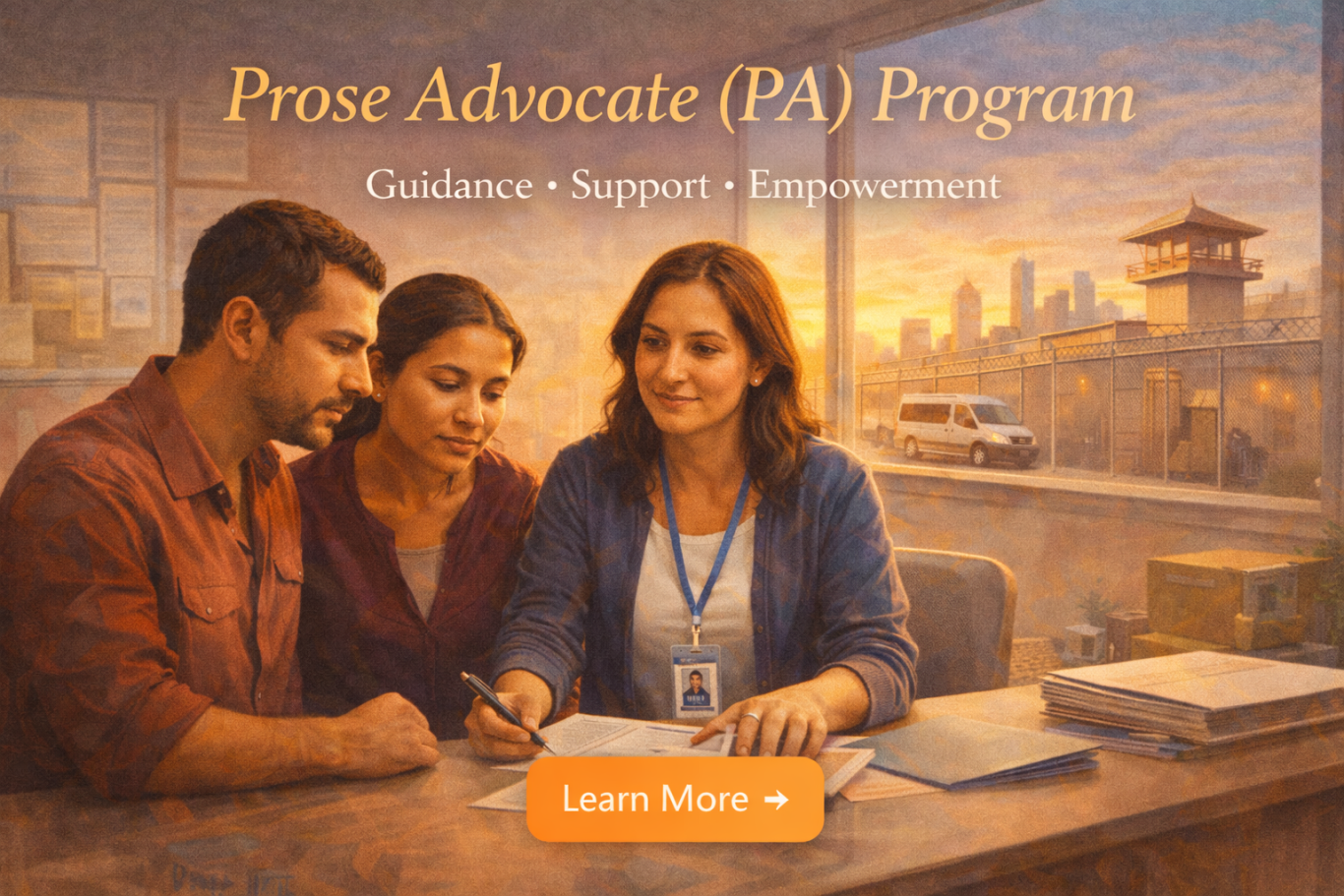
Prose Advocate (PA) Program
The Prose Advocate Program is dedicated to empowering individuals navigating the legal system without formal representation. Many people face overwhelming legal processes, complex paperwork, and tight deadlines that can determine the outcome of critical cases. Our team of trained advocates provides compassionate guidance and hands-on support, helping participants understand their rights, complete necessary forms, and connect with appropriate legal resources.
Beyond paperwork, our advocates act as trusted allies throughout the legal journey, providing consistent support, answering questions, and helping clients make informed decisions. By breaking down barriers to access, the PA Program ensures that every participant feels equipped and confident to face their legal challenges. This initiative strengthens our broader mission to serve communities impacted by detention, separation, and systemic barriers, fostering resilience, empowerment, and fairness for all.
Community Engagement
Our Community Engagement efforts are designed to build trust, strengthen relationships, and amplify the voices of those most affected by detention and legal challenges. We collaborate closely with local organizations, immigrant advocacy groups, and community leaders to ensure our programs reflect the real needs and experiences of families. Through workshops, informational sessions, and interactive events, we provide guidance, resources, and opportunities for meaningful participation, creating a network of support that extends beyond the immediate services we offer.
By actively involving the community in the development and growth of our programs, we empower families and individuals to take an active role in shaping solutions that work for them. This engagement not only improves access to services but also fosters a sense of collective resilience, solidarity, and shared responsibility, ensuring that no one faces these challenges alone.